Loading...
Serving Dubuque, IA and surrounding areas. (563) 227-0181
If your heating bills stay high all winter or ice dams form on your roof, warm air is escaping through gaps in your attic - sealing them is the fix that actually works.
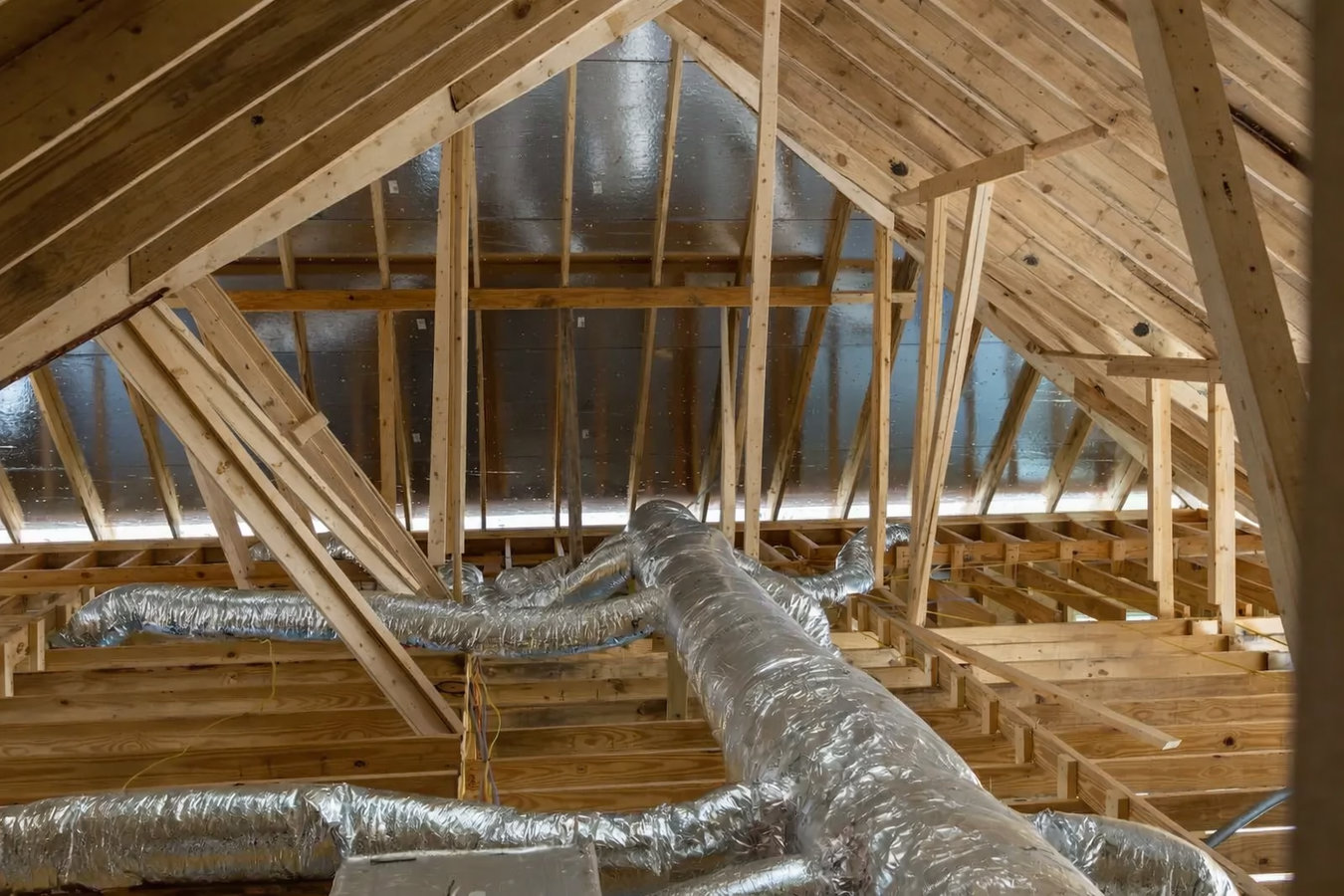
Attic air sealing in Dubuque finds and closes the gaps around pipes, wires, light fixtures, and wall tops where warm air escapes from your living space into the attic - most jobs take one to two days and homeowners typically notice lower heating bills and fewer ice dams within the first winter. Insulation slows heat transfer, but it does not stop air from moving through gaps. If those gaps are open, the warm air you paid to heat rises straight through and out - no matter how much insulation is sitting on top of those gaps.
Dubuque has one of the highest concentrations of pre-1940 housing in Iowa, and homes that old were built before anyone thought about energy efficiency. Decades of settling and renovation work typically open dozens of small gaps in the attic floor that add up to a serious heat loss problem. Attic air sealing addresses those gaps directly, and the results are measurable - a contractor who uses a blower door test before and after the work gives you real numbers showing exactly how much the sealing improved your home. This pairs naturally with crawl space vapor barrier work when the whole thermal envelope needs attention from top to bottom.
For homes where the attic needs both sealing and insulation added at the same time, we also handle full air sealing services across the entire home - not just the attic - for homeowners who want to address every gap in a single visit.
If your gas or electric bill jumps sharply when Dubuque's cold weather arrives and stays high all winter, a leaky attic is one of the most common culprits. Warm air rises, and if there are gaps at the top of your home, that warm air and the money you paid to heat it are escaping into the attic and out through the roof. This is especially common in Dubuque's older homes, where decades of settling and renovation work have opened small gaps that add up to a big problem.
Ice dams are the ridges of ice that build up along the edge of your roof after a snowfall. They form when heat escaping from your living space warms the roof unevenly, melting snow that then refreezes at the cold eaves. Dubuque's freeze-thaw winters make ice dams a recurring problem for homes with poor attic sealing, and they can cause real damage to your roof and gutters over time.
If one bedroom or the top floor of your home never quite gets comfortable in winter no matter how high you set the thermostat, air leakage is often the reason. Cold air from the attic seeps down through the same gaps that let warm air escape, creating drafts and cold spots that insulation alone will not fix. This is one of the most reliable signs that attic sealing is the missing piece.
The attic hatch - the pull-down door or panel in your ceiling - is one of the most common places air leaks in older homes. If you can feel a draft when standing near it in winter, or if you can see light around the edges when the attic light is on, the hatch is not sealed. In Dubuque's older homes, this is one of the first places a thorough contractor checks.
We start with a blower door test - a diagnostic tool that pressurizes your home and measures exactly how much air it is leaking and where the leaks are concentrated. That test gives both of us real information rather than guesswork. From there, the crew moves or pulls back existing insulation to access the attic floor, then systematically closes every gap they find: around plumbing stacks, electrical wires, recessed lights, wall top plates, and the attic hatch itself. We use caulk, foam, and rigid blocking depending on the size and type of gap - not a single product applied everywhere. When the sealing is done, we run the blower door again and share the results with you so you can see the before-and-after improvement in plain numbers. Pairing this with crawl space vapor barrier installation is a common next step for homeowners who want to address both ends of their home's thermal envelope in the same season.
For homes where the attic needs more than just gap sealing, we also offer a full air sealing services scope that covers the entire home - rim joists, basement penetrations, and exterior wall connections - in a single project. We assess during the estimate visit and recommend only the scope that matches what your home actually needs.
For homeowners who want to know exactly how much their home is leaking before committing to a sealing project - gives you a measurable starting point.
Best for homes with high heating bills or ice dams where the primary problem is warm air escaping through the attic floor into the unheated attic above.
Suited for older homes where the pull-down attic door is unsealed and uninsulated - a quick fix that delivers an outsized improvement in comfort.
For homeowners who want to address the entire thermal envelope - attic floor, rim joists, and basement penetrations - in a single coordinated visit.
Dubuque sits in a climate zone where heating season runs from October through April and temperatures regularly drop below zero. That means a leaky attic is not a minor inefficiency - it is actively costing you money for six months every year. Dubuque also has one of the highest concentrations of pre-1940 homes in Iowa, with many of the city's most distinctive neighborhoods - the bluff streets near downtown, the hillside blocks around Cable Car Square - featuring homes that are 80 to 100 years old. Those homes were built before energy efficiency was part of the design, and decades of settling and renovation work have only added more gaps. The payback on air sealing work is faster here than in milder climates because the heating savings start hitting from the first cold snap.
Alliant Energy, which serves most of Dubuque, offers rebates for qualifying insulation and air sealing improvements that can meaningfully reduce what you pay out of pocket - but they typically require the work to be documented in a specific way. We know the process and handle that documentation for you. Homeowners we work with in Iowa City and Madison face similar cold-climate challenges, but Dubuque's combination of very old housing and hilly terrain - which creates unusual roof lines and attic access challenges - makes local experience especially important.
Tell us the age of your home, whether you have noticed high bills or cold rooms, and if any insulation work has been done before. We respond within 1 business day and schedule a free in-home visit within a few days of your call.
We run a blower door test to measure exactly how much air your home is leaking and where the gaps are concentrated. This takes about an hour and gives you a written estimate explaining what we found and what we are proposing to seal.
The crew works entirely in the attic - your living space stays undisturbed. They move insulation aside, close every gap they find with foam, caulk, or rigid blocking, and put the insulation back in place when done. Most jobs wrap up in one full day.
We run the blower door again after sealing so you can see the before-and-after improvement in plain numbers. If you are claiming an Alliant Energy rebate or federal tax credit, we provide the documentation you need before we leave.
We start with a blower door test so you have real numbers, not guesswork. Free estimate, no obligation, response within 1 business day.
(563) 227-0181A blower door test before the work gives you a baseline. A second test after gives you proof the sealing worked - a specific number showing how much the leakage dropped. Most contractors skip the post-test; we include it as standard because it is the only way to know the job actually delivered.
Dubuque's pre-1940 homes have more gaps, more irregular framing, and tighter attic access than newer construction. We have worked in these attics all over the city - from the bluff neighborhoods near downtown to the hillside blocks on the west side - and know where the gaps are most likely to be hiding.
Most Dubuque homeowners are served by Alliant Energy, which offers rebates for qualifying air sealing work. We handle the documentation correctly from the start so you can claim the rebate without chasing paperwork after the fact. Homeowners in the Dubuque area can meaningfully reduce their out-of-pocket cost this way.
We use the same diagnostic framework recommended by the Building Performance Institute - the national standard for home energy work - which means our assessment finds the actual source of your comfort and billing problems rather than guessing and hoping the sealing helps.
The blower door test and the post-seal verification are what separate a real result from a contractor who showed up and did some caulking. The U.S. Department of Energy recommends sealing before insulating, and we follow that sequence on every attic job. Alliant Energy rebate details are available directly if you want to review what may apply to your home before calling.
Addresses the bottom of the thermal envelope - sealing moisture and cold air out of the crawl space while the attic sealing handles the top.
Learn more →A whole-home scope that extends beyond the attic to rim joists, basement penetrations, and exterior wall gaps for homeowners who want to address every air leak in one visit.
Learn more →Alliant Energy rebates and federal tax credits are available now - getting the work done this fall means the savings start with your first winter heating bills.