Loading...
Serving Dubuque, IA and surrounding areas. (563) 227-0181
Cold rooms, high heating bills, and walls that let every Iowa winter straight through - wall insulation fixes all three at once.
Wall insulation in Dubuque fills the empty cavities in your exterior walls to slow heat loss - most jobs on a single-story home are completed in one day, and homeowners typically notice more even room temperatures within the first heating season. When those cavities are empty or degraded, your furnace runs almost constantly while heat escapes straight through the wall to the outside.
Dubuque has a large number of homes built before the 1950s, particularly in the historic bluff neighborhoods and near downtown. Homes from that era were routinely built with no wall insulation at all - and many that had material added later are now working with product that has settled and lost effectiveness. If your home is older and certain rooms are always colder than others, the walls are likely part of the problem. Pairing wall insulation with air sealing services addresses both heat transfer and air infiltration at the same time.
For homes with older or damaged material already in place, we also handle blown-in insulation as the preferred method for filling existing finished wall cavities without opening the walls.
If your gas or electric bill climbs sharply from November through March and stays high no matter how much you adjust the thermostat, your walls may be letting heat escape faster than your furnace can replace it. Dubuque winters are long and cold, so a home with poor wall insulation will show this pattern clearly - the furnace runs almost constantly but the house never quite feels warm.
If certain rooms feel drafty or cold in winter even with the heat running, the walls in those rooms may have little or no insulation. This is especially common in older Dubuque homes where insulation was added to some areas but not others, or where original material has settled and left gaps near the top of the wall cavity.
Homes built in Dubuque's historic neighborhoods before the 1960s were typically constructed without wall insulation. If no previous owner ever mentioned insulation work, there is a reasonable chance your walls are empty. A contractor can tell just by drilling a small test hole - a quick check that costs nothing during an estimate visit.
Electrical outlets and switches on exterior walls are small openings that connect directly to the wall cavity. If you hold your hand near one on a cold winter day and feel cool air moving, that is a sign the wall behind it has little or no insulation. This is a simple test any homeowner can do without any tools.
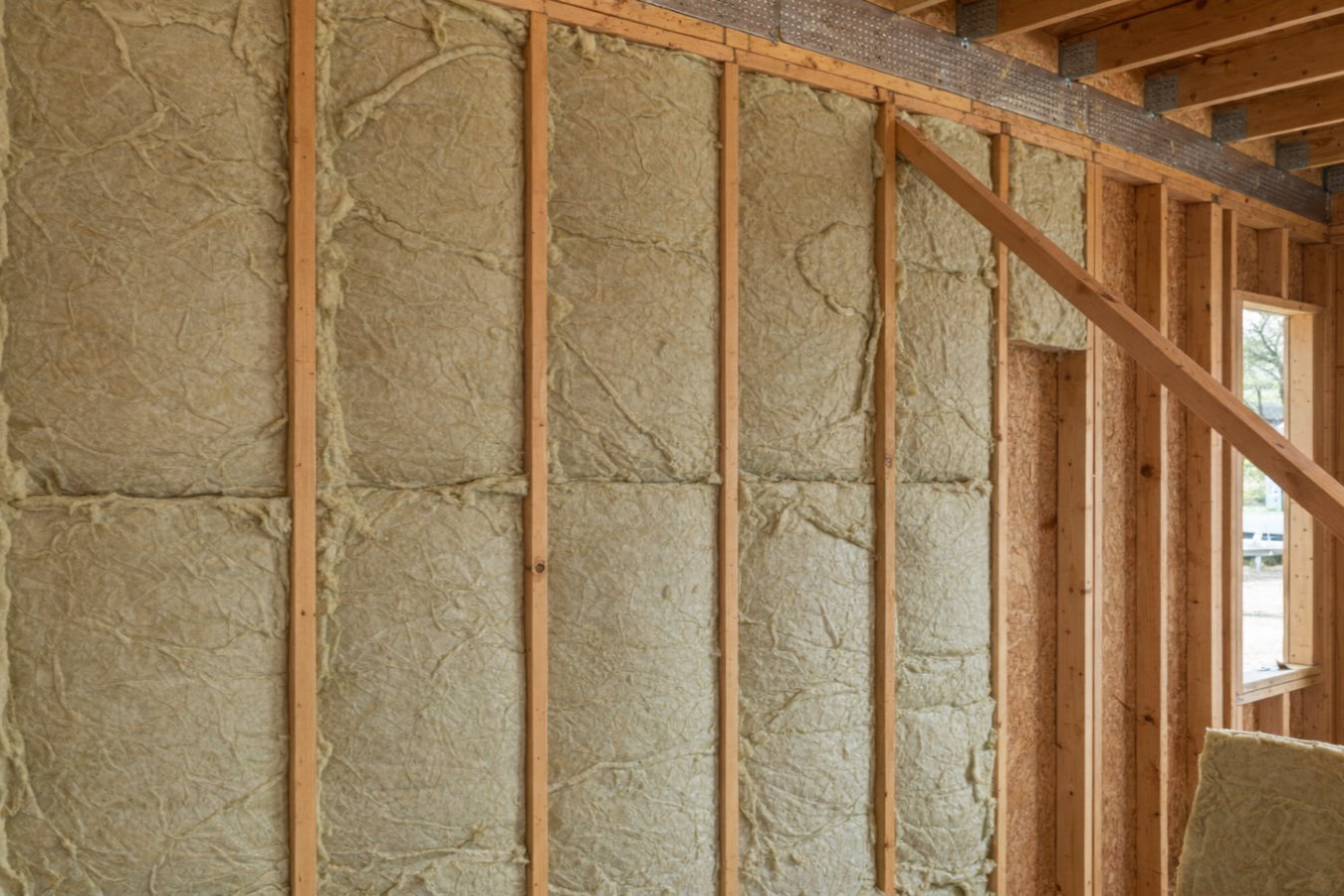
We handle wall insulation using two main approaches depending on your home. For finished walls that are already closed up - the most common situation in Dubuque's older housing stock - we use a blown-in method: small holes drilled near the top of each wall cavity, material pumped in under controlled pressure, and the holes patched and painted before we leave. This is the same approach used in blown-in insulation jobs and works well in homes of any age where you do not want to open finished walls. For renovations where walls are already open, we install batt insulation between the studs before drywall goes up - a faster and equally effective option when access is available.
Both approaches pair naturally with air sealing services - sealing the small gaps around outlets, pipes, and top plates at the same time as insulating delivers results that neither job achieves on its own. We also offer a thermal assessment during the estimate so you know exactly which walls need attention and which are already performing well - no guesswork, no unnecessary work.
Best for finished homes - fills closed wall cavities without opening walls or disrupting interior finishes.
Suited for renovations where walls are already open - fast installation and a solid fit for new construction or remodel projects.
For homeowners who want to know exactly where their walls are losing heat before committing to a full installation.
A combined scope that addresses both heat transfer through the wall material and air infiltration through gaps - the most complete result.
Dubuque sits in a climate zone where winter temperatures regularly drop below zero and the heating season stretches from October through April. That means your walls are holding heat inside - or failing to - for more than half the year. Homes with empty or degraded wall insulation pay for that gap every single month. Dubuque also has one of the largest concentrations of pre-1940 homes in Iowa, concentrated in the bluff neighborhoods near downtown and along the hillside streets that define the city. These homes were built without insulation standards, and many have never had the walls touched since construction.
Iowa also has a utility in Alliant Energy that offers rebates for qualifying insulation upgrades, which can meaningfully reduce the cost of the project. Homeowners we work with in Iowa City and Waterloo face the same cold-climate challenge, but Dubuque's combination of extreme age housing stock and hilly terrain means wall cavity shapes vary more here - a reason to work with a contractor who knows local construction.
Tell us your home's age, which rooms feel cold, and whether you know if insulation work has ever been done. We respond within 1 business day and can usually schedule a free in-person estimate within a few days of your call.
We walk the exterior of your home and may drill a small test hole to confirm whether cavities are empty or filled. You receive a written estimate spelling out exactly what will be done, what materials will be used, and what it will cost - before any work is scheduled.
For blown-in jobs, the crew works from the exterior. They drill a row of small holes along each wall section, fill each cavity completely, then patch and paint the holes to match your siding. A typical single-story home is done in one full day.
Before the crew leaves, they walk you through the patched areas and answer any questions. If you plan to apply for an Alliant Energy rebate or federal tax credit, we provide the invoice and product documentation you need to file the claim.
Free estimate, no pressure. We will check your walls, tell you what we find, and give you a written quote before any work begins.
(563) 227-0181Dubuque has one of the oldest residential housing stocks in Iowa, and we work in those homes regularly. We know the stud spacing, wall depths, and cavity shapes that come with Victorian-era and early 20th-century construction here - which means fewer surprises on installation day and more accurate estimates upfront.
We are familiar with Alliant Energy's rebate requirements for insulation upgrades and can confirm upfront whether the materials we plan to use are eligible. That means you do not have to do homework after the job is done - we provide the documentation you need to file your claim.Alliant Energy rebate program
We do not quote on a section of wall and stop there. During our assessment we check every exterior wall and note which cavities are empty, which have degraded material, and which are performing adequately. You get a clear picture of your whole home before committing to any work.
We work on Dubuque's older housing stock every week, and you can check our reviews and past jobs before you commit. That matters because it is a baseline of accountability - not just a talking point. If a contractor cannot point to real local work, that is a red flag worth acting on.
Every wall insulation job we do in Dubuque is backed by an experienced crew that knows the local housing stock and gives you a written quote before anything starts. We do not cut corners on cavity coverage - a wall that is 80 percent filled is not an acceptable result.
More information on insulation standards is available from the U.S. Department of Energy and the North American Insulation Manufacturers Association.
Closes the gaps around outlets, pipes, and framing that let cold air bypass your insulation entirely.
Learn more →Loose-fill material pumped into wall and attic cavities - the most practical approach for Dubuque's finished older homes.
Learn more →Dubuque winters are long and unforgiving. The sooner your walls are insulated, the sooner your home holds heat the way it should - and the sooner your heating bills reflect it.