
Loading...
Serving Dubuque, IA and surrounding areas. (563) 227-0181
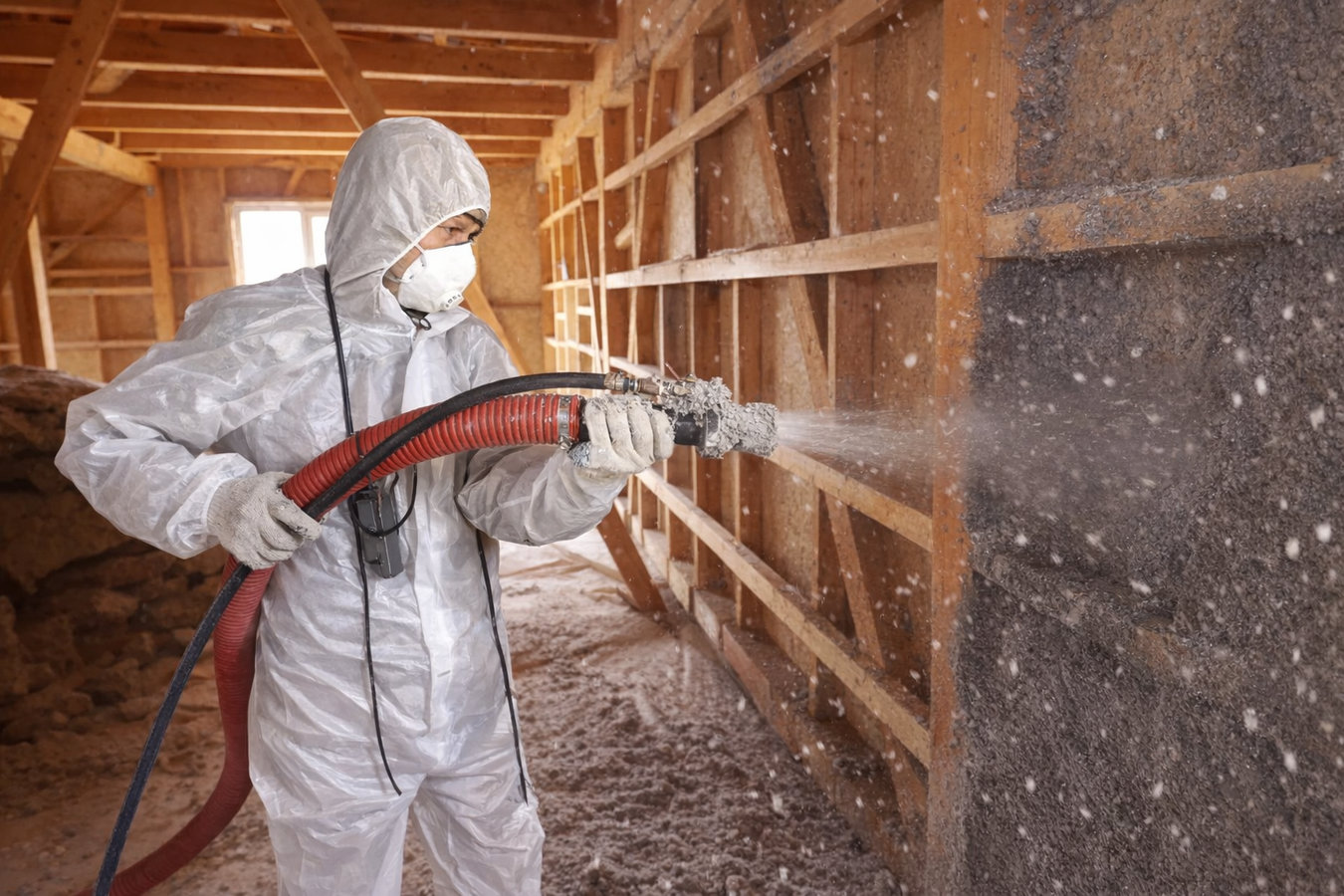
Dubuque Insulation serves Waterloo homeowners with home insulation, attic blown-in, basement insulation, and spray foam - all backed by experienced local crews, free assessments, and responses within 1 business day.
We work in Waterloo homes regularly, including the older Foursquares and bungalows on the East Side and the postwar ranch homes on the West Side where attic insulation is often the first thing that needs attention.
Waterloo homes built before 1960 - a large share of the city's housing inventory - were constructed when insulation standards were minimal. Full home insulation assessments for these properties cover attic, basement, and rim joists together, identifying which areas give the most return before any work begins.
The attic is the most common source of heat loss in Waterloo's older homes, and it is the area where an investment pays back fastest. Waterloo winters regularly push temperatures below zero, and an under-insulated attic means your furnace runs longer than it should from November through March. Blown-in insulation brings the attic floor up to the depth Iowa's climate zone requires.
Full basements are standard in Waterloo homes, and they are a frequent source of cold air infiltration and moisture in the older East Side housing stock. The Cedar River has flooded before, and even normal spring snowmelt can push ground moisture into older block and stone foundations. Insulating basement walls and rim joists reduces both heat loss and the conditions that encourage moisture problems.
For the older two-story homes and bungalows common in Waterloo, spray foam at the rim joists and around pipe penetrations provides a combined air seal and insulation layer in areas where blown-in material cannot fill the gaps. It is especially effective at stopping the drafts that make older Waterloo homes feel cold even when the furnace is running.
For Waterloo's ranch homes and bungalows with accessible attics, blown-in loose fill is one of the most cost-effective ways to upgrade insulation coverage. It fills the irregular attic cavities and sloped corners common in mid-century construction and brings the R-value up to what Iowa's climate zone actually requires - often doubling or tripling what was originally installed.
Waterloo sits in a cold climate zone where average January temperatures drop below zero and the frost line reaches 40 to 60 inches in a hard winter. The city goes through dozens of freeze-thaw cycles each season - temperatures swing above and below 32 degrees repeatedly from November through March. That constant movement is what turns small cracks in foundations and concrete into larger problems, and it is what drives moisture in and out of basements and crawl spaces year after year. Waterloo has one of the highest concentrations of pre-1960 housing in Iowa. These homes were built before modern insulation standards, often with wood siding, block foundations, and original windows that leak heat constantly. The homeownership rate here is roughly 60 percent, and median home values are modest compared to the national average - which means most Waterloo homeowners want practical, cost-effective solutions rather than high-end renovations.
The Cedar River divides Waterloo's east and west sides, and it shapes how homes on both sides age. The river has flooded before - the 2008 floods caused significant damage across the city - and even in normal years, spring snowmelt raises the water table and pushes moisture into basements along the river corridor. Older homes on the East Side near downtown have tighter lots and more original construction, while the West Side belt of postwar ranch homes is reaching the age where the first-generation insulation, roofing, and HVAC systems need their first major update. A contractor who has worked in both areas understands that the approach for a 1920s Foursquare is different from what a 1960s ranch needs.
We work in Waterloo homes across both sides of the Cedar River and know the difference between what older East Side construction needs and what the postwar ranch homes on the West Side typically present. When we open the attic hatch of a pre-1940 Foursquare near downtown, we expect to find compressed original insulation, balloon-frame wall cavities, and sometimes knob-and-tube wiring that has to be accounted for before insulation can be added safely. Permit requirements for insulation work in Waterloo run through the City of Waterloo, and we handle that process on your behalf when a permit is required.
Waterloo is anchored by major employers - John Deere Waterloo Works has been part of the city's economy for over a century - and many residents own their homes long-term and invest in keeping them in shape. We see that commitment to maintenance in the quality of work homeowners here expect and we match it. The Sullivan Brothers museum and the Cedar River corridor are city landmarks that most Waterloo residents know well, and the neighborhoods surrounding them represent the core of the older housing stock we work in most often.
We serve Waterloo and the surrounding Black Hawk County area, including Cedar Rapids, IA to the south. If you are anywhere in the Cedar Valley and need an insulation contractor who knows older construction, reach out and we will schedule an assessment.
We respond within 1 business day. No cost or obligation at this stage. We ask a few questions - home age, which areas concern you, any problems you have noticed - so we arrive at the assessment prepared rather than starting from scratch.
We visit your home and inspect the attic, basement, or wherever the concern is. We measure existing insulation depth, check for moisture or damage, and note anything that needs to come out before new material goes in. This takes 30 to 60 minutes and costs you nothing. We tell you exactly what we find.
You receive a written estimate covering materials, labor, and any permit fees. If the City of Waterloo requires a permit for your project, we handle the application and inspection coordination - you do not have to deal with any of that paperwork yourself.
Most Waterloo insulation jobs are finished in one day. We walk you through the finished work before leaving. If spray foam was part of the job, we give you a specific return window - usually at least 24 hours while the foam cures fully.
We respond within 1 business day to all inquiries from Waterloo homeowners. No pressure, no obligation - just a free on-site assessment and a written quote you can review at your own pace.
(563) 227-0181Waterloo is one of the larger cities in Iowa, with a population of roughly 67,000 people and a long history as a manufacturing and agriculture hub. The Cedar River runs directly through the city, dividing the East and West sides. The East Side closer to downtown has tighter lots and older housing stock - two-story Foursquares, craftsman bungalows, and simple frame homes built from the 1910s through the 1940s. The West Side has a belt of postwar ranch-style homes on larger lots, built primarily in the 1950s through 1970s. Both areas have homes with insulation needs: the East Side homes because original materials have degraded over decades, and the West Side ranches because they are now 50 to 70 years old and reaching the end of their first insulation cycle.
Major employers including John Deere Waterloo Works and Tyson Foods have kept Waterloo a city of long-term residents, and the roughly 60 percent homeownership rate reflects that stability. Homeowners here are pragmatic - they want practical, honest work at a fair price rather than upsells. We serve Waterloo alongside nearby Cedar Rapids, IA and other Iowa communities where the same combination of cold winters and older housing stock drives insulation demand. Whether your home is near the Sullivan Brothers museum on the East Side or out in the West Side neighborhoods, we know what homes in this city need.
High-performance spray foam that seals and insulates in one application.
Learn more →Loose-fill insulation blown into walls, attics, and hard-to-reach spaces.
Learn more →Keep moisture out and temperatures stable with crawl space insulation.
Learn more →Improve comfort and soundproofing with insulated interior and exterior walls.
Learn more →Stop drafts and air leaks to maximize your insulation's effectiveness.
Learn more →Insulate basement walls and rim joists to cut heating costs year-round.
Learn more →Dense, moisture-resistant closed-cell foam for maximum thermal performance.
Learn more →Lightweight open-cell foam ideal for interior walls and sound dampening.
Learn more →Seal attic bypasses and gaps before adding insulation for best results.
Learn more →Heavy-duty vapor barriers that protect crawl spaces from ground moisture.
Learn more →Professional vapor barrier installation for walls, floors, and crawl spaces.
Learn more →Commercial-grade insulation for offices, warehouses, and industrial facilities.
Learn more →Serving these cities and communities.
Call or submit a request today - we respond within 1 business day and schedule free on-site assessments at a time that works for you.