Loading...
Serving Dubuque, IA and surrounding areas. (563) 227-0181
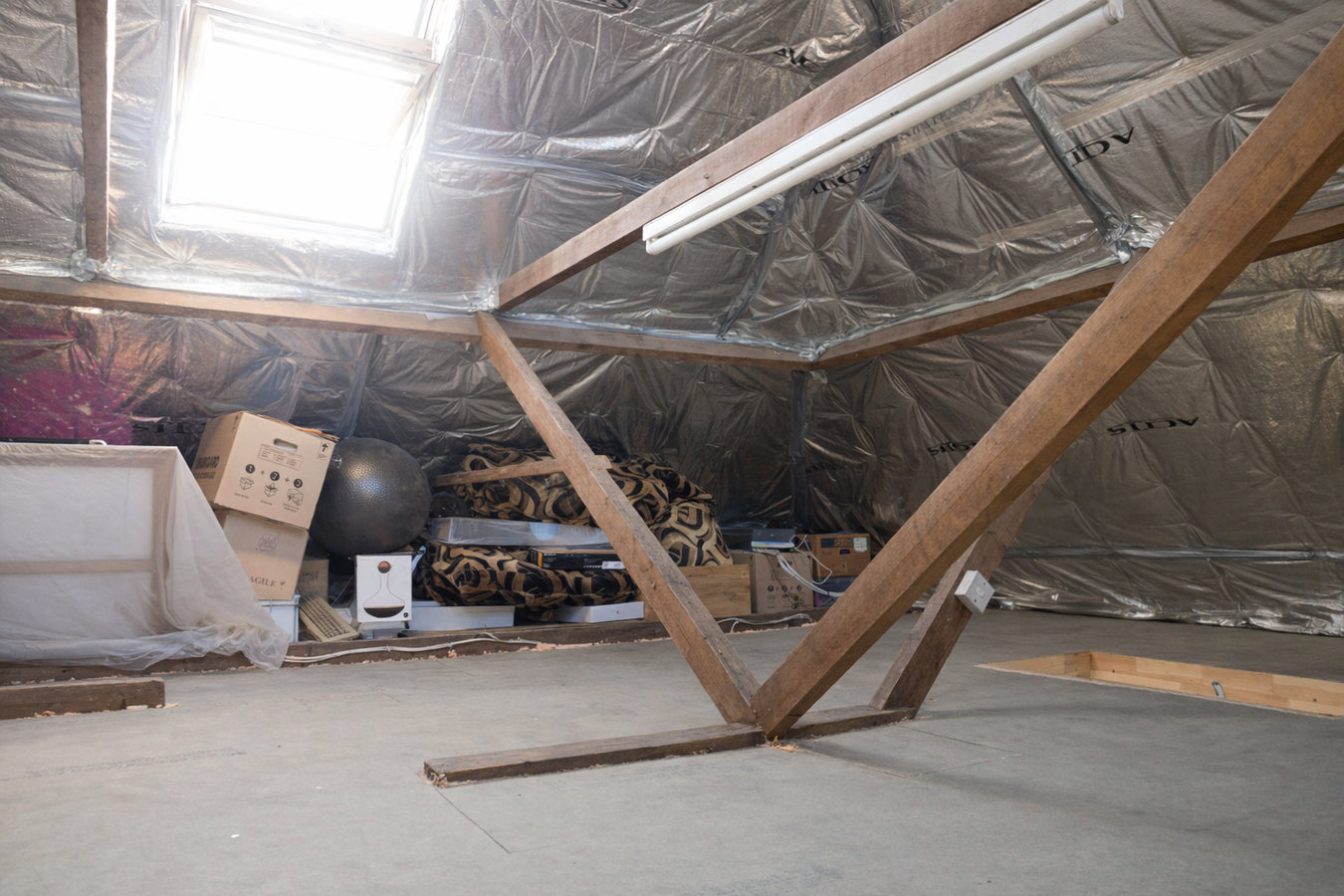
Heat rises and escapes through an under-insulated attic all winter long. The right amount of attic insulation keeps that heat where it belongs - inside your home - and stops the ice dams that damage Dubuque roofs every season.
Attic insulation in Dubuque, IA acts as a thermal barrier between your living space and the outdoor air - most residential attic jobs are finished in a single day. Dubuque sits in a climate zone where the heating season runs from October through April, so the attic is working hard for more than half the year. A thin or damaged attic layer means your furnace runs longer and your upper-floor rooms never quite warm up.
Quality attic insulation starts with air sealing - closing up gaps in the attic floor before any insulation goes in. Skipping that step is one of the most common shortcuts, and it means warm air still leaks out even with new material on top. Pair attic insulation with our blown-in insulation service for uneven or hard-to-reach attic spaces, or add attic air sealing as a standalone service if your attic already has adequate material but still loses heat through gaps.
The ENERGY STAR recommended R-values for Iowa call for roughly 13 to 15 inches of insulation depth in your attic - far more than most older Dubuque homes currently have.
If your gas or electric bills have crept up over the past few winters without any change in habits, your attic may be the culprit. Heat rises, and an under-insulated attic lets it escape all day long. Your furnace runs longer to compensate - and you see it on every bill from November through March.
Large icicles forming along your gutters in winter are a classic sign that heat is escaping through your attic and melting snow unevenly on the roof. In Dubuque's climate, this happens regularly in older homes with inadequate insulation. Left alone, ice dams push water under shingles and cause real ceiling damage.
If the bedrooms or hallways directly below the attic feel drafty and hard to heat, the attic above is not holding heat the way it should. This is especially common in Dubuque's older two-story homes where original insulation has settled over decades or was never installed evenly.
If you peek into your attic and can see wooden beams clearly between the insulation, you likely do not have enough. Insulation that has gotten wet will look darker or clumped. In homes built before the 1980s in Dubuque, it is common to find only a few inches of original material that has never been updated.
We install blown-in loose-fill insulation and batt insulation depending on your attic layout and what is already there. Blown-in material fills gaps and corners more evenly and is often the best fit for Dubuque's older homes where irregular framing makes batt installation difficult. For attics where the goal is to create a conditioned space rather than insulate the floor, we can apply spray foam directly to the rafters - see our blown-in insulation page for details on the material options.
Every attic job starts with an air sealing pass before new material goes in. If your attic has old insulation that has been damaged by moisture or pests, we assess whether removal is needed before we add anything on top. We also handle the permit process with the City of Dubuque when required, and coordinate the city inspection that follows. Our attic air sealing service is available as a standalone if your insulation depth is adequate but gaps are still letting heat escape.
Ideal for attics with irregular framing or existing material - fills gaps and levels out uneven coverage better than batts.
Pre-cut blankets installed between joists - cost-effective for open, accessible attic floors with standard framing.
Closes gaps around light fixtures, plumbing penetrations, and framing before insulation goes in - the step most contractors skip.
When existing material is wet, damaged, or contaminated, removing it is the only way to start fresh and do the job right.
Dubuque has a large share of homes built before 1960 - many of them in the historic neighborhoods on the bluffs and near downtown. Homes built in that era were constructed before modern energy standards existed, and their attics often have very little insulation or material that has settled, gotten wet, or broken down over decades. If your home is more than 40 years old and the attic has never been checked, there is a good chance it needs attention. Homeowners in Dubuque, IA face a specific ice dam problem that does not exist in warmer climates - Dubuque winters are cold and long enough that uneven snowmelt on rooftops is a near-annual event for under-insulated homes.
Dubuque's hilly terrain also creates moisture risks that affect attic performance. Many properties sit on slopes where humidity from the lower-elevation river areas works upward. Homeowners throughout the area, including those in Cedar Rapids, IA, share similar older housing stock challenges. If moisture has ever gotten into your attic - from a roof leak, ice dam, or rising humidity - the insulation there has lost much of its effectiveness and the damaged material needs to come out before new material goes in.
We respond within 1 business day. We ask a few basic questions about your home's age and the area you want addressed so we can come prepared to the estimate visit.
We go into the attic, measure what is there, check for moisture damage, and look at how well the space is ventilated. This typically takes 30 to 60 minutes and is free. We follow up with a written quote.
Your written estimate covers materials, labor, and whether a permit is required. Ask us directly whether air sealing is included - it should be. No pressure to decide on the spot.
The crew sets up equipment, air seals the attic floor, and installs insulation. Most jobs take two to five hours. You stay home the whole time. When the crew leaves, your attic is done and you can feel the difference within the first cold day after.
We respond within 1 business day and there is no obligation. Fill out the form or call us directly - someone from our office will reach out to schedule a free on-site estimate at a time that works for you.
(563) 227-0181We operate out of Dubuque and serve 12 communities across eastern Iowa and western Wisconsin. We know the older housing stock in this region - the irregular framing, the shallow attic depths, and the moisture risks that come with river-adjacent living.
We seal gaps in the attic floor before any insulation goes in. Most homeowners do not know to ask about this step, and many contractors skip it because it takes extra time. Skipping it means warm air still leaks out even with new insulation on top.
When a Dubuque permit is required for your attic project, we file the application and coordinate the city inspection - you do not have to navigate that process yourself. You get a documented record of the work when it is done.
The current federal energy efficiency tax credit covers up to 30 percent of qualifying insulation improvements, with a cap of $1,200 per year. We use materials that qualify and can provide documentation for your tax filing. The IRS Energy Efficient Home Improvement Credit applies to most residential attic insulation projects.
We do the work right the first time so you are not calling someone back in three years. Reach us at (563) 227-0181 or request a free estimate online.
The most common material for Dubuque attic upgrades - fills irregular spaces and uneven existing coverage without removing what is already there.
Learn more →Already have adequate insulation depth but still losing heat? Targeted air sealing closes the gaps that insulation alone cannot stop.
Learn more →Schedule a free estimate now - proper attic insulation pays for itself over the first few Dubuque winters you do not spend running the furnace overtime.