Loading...
Serving Dubuque, IA and surrounding areas. (563) 227-0181
Cold drafts and high heating bills in older Dubuque homes often trace back to gaps that regular insulation cannot reach - open-cell foam fixes both problems at once.
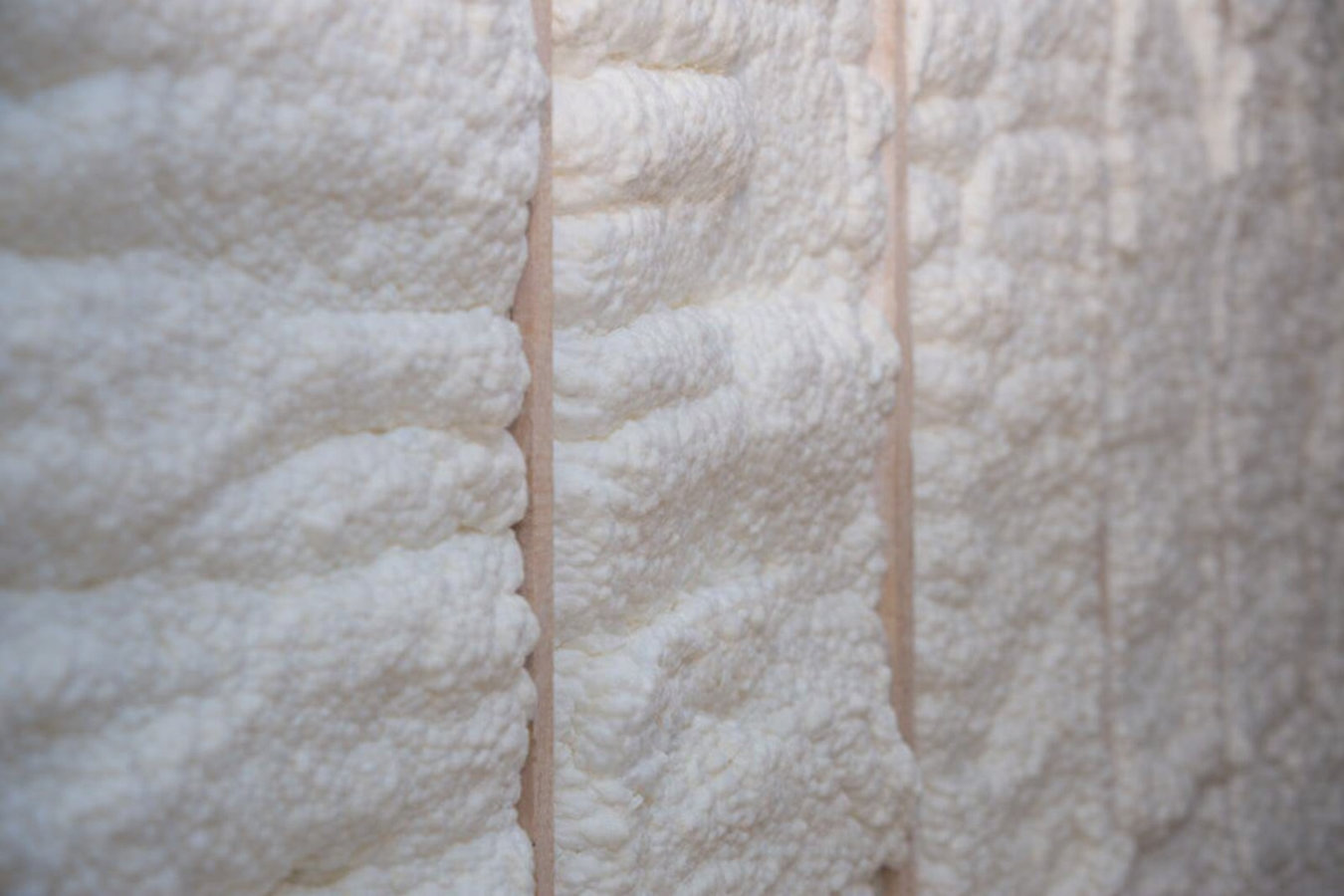
Open-cell foam insulation in Dubuque is sprayed as a liquid and expands to fill every gap and crack in attics, walls, and crawl spaces - most residential jobs take one day and homeowners notice more consistent temperatures within the first heating season. Unlike fiberglass batts that only slow heat transfer, open-cell foam also seals air leaks at the same time, which matters most in Dubuque where drafts drive heating costs just as much as thin insulation does.
Dubuque has a large share of homes built before 1960, many of them in the bluff neighborhoods near downtown. These older homes - especially those with balloon-frame construction - have wall cavities that run from basement to attic with no breaks, making air sealing especially difficult with traditional methods. Open-cell foam is one of the few products that can reach and seal those continuous channels effectively. It also pairs well with attic air sealing when the attic floor needs targeted attention before or after a foam installation.
Homeowners who want to understand all spray foam options can also review spray foam insulation - which covers both open-cell and closed-cell products side by side - to decide which fits their home and budget.
If your gas or electric bill jumps sharply during Dubuque's coldest months - even when you have not changed your thermostat habits - heat is escaping faster than it should. Dubuque winters are long and cold, and a poorly insulated or air-leaky home has to work much harder to stay warm. Bills that feel out of proportion to your home's size are a strong signal insulation is worth checking.
Walk through your home on a cold January morning and notice whether some rooms feel noticeably colder than others, even with the heat running. In older Dubuque homes - especially those built before the 1970s - uneven temperatures usually point to gaps in insulation or air sealing rather than a furnace problem. Rooms above garages, at the ends of the house, or directly under the attic are the most common trouble spots.
Hold your hand near an electrical outlet on an exterior wall on a cold day. If you feel cool air moving, outside air is getting in through the wall cavity. This is especially common in Dubuque's older homes, where original insulation has settled or was never installed in the wall cavities at all. Spray foam is one of the few ways to address this without opening finished walls.
If you peek into your attic in winter and see frost on the sheathing, or notice damp insulation or a musty smell in your crawl space, moisture is getting in somewhere it should not be. Dubuque's humid river-valley climate makes this more common here than in drier parts of Iowa. Left alone, that moisture leads to mold and wood damage - and it almost always means the space needs better air sealing, not just more insulation on top.
We install open-cell spray foam in attics, wall cavities, crawl spaces, and rim joists - whichever areas are losing the most heat in your specific home. The foam is sprayed as a liquid and expands within seconds to fill the entire space, including the irregular gaps and irregular framing that batt insulation leaves exposed. For homes with balloon-frame walls - common in Dubuque neighborhoods built before 1940 - open-cell foam is one of the only products that can seal those continuous vertical channels running from the basement to the attic. We can handle open-cell foam installations as a standalone job or as part of a broader spray foam insulation project that includes both open-cell and closed-cell products in different parts of the home.
Many homeowners also benefit from combining open-cell foam with targeted attic air sealing - sealing the attic floor penetrations around pipes, wires, and light fixtures before foam is applied to the attic deck delivers a more complete thermal barrier than either job achieves on its own. We assess your home during the estimate visit and recommend only the scope that matches the actual problem, not a one-size-fits-all package.
Best for homes where the attic deck needs insulation and air sealing together - delivers the full benefit of foam in the space that loses the most heat.
Suited for balloon-frame and older homes where closed wall cavities need to be sealed from the inside without opening finished surfaces.
For homes built into Dubuque's hillsides where exposed foundation walls and rim joists are driving cold floors and high heating bills.
A complete scope for older homes where attic floor penetrations and deck insulation both need attention in the same visit.
Dubuque sits in a climate zone where temperatures regularly drop below zero and heating season stretches from October through April. In that kind of cold, even small air leaks in walls or attics drive heating bills up fast. Open-cell foam addresses both insulation and air sealing in a single step, which matters here because Dubuque has one of the highest concentrations of pre-1940 homes in Iowa. Many of those homes - particularly in the hillside neighborhoods near Cable Car Square and the bluffs above downtown - were built with balloon-frame walls and no insulation at all. The foam reaches the long, open cavities that other products simply cannot.
Dubuque also sits right on the Mississippi River, and the river valley creates a humid microclimate that adds a moisture management layer to any insulation job. Because open-cell foam is vapor-permeable, your contractor needs to plan the installation with moisture in mind - something a contractor who knows local conditions will handle correctly. Homeowners we serve in Cedar Rapids and Waterloo face similar cold-climate challenges, but Dubuque's older housing stock and hillside construction make local experience especially important here.
Tell us the age of your home, which areas you want insulated, and any comfort problems you have noticed. We respond within 1 business day and can usually schedule a free in-home visit within a few days of your call.
We walk through the attic, walls, or crawl space you want insulated, take measurements, and check for any moisture issues that need to be addressed before foam is applied. You receive a written estimate with a clear scope and cost - no obligation to commit.
Clear the work area - move stored items out of the attic or crawl space and make sure the crew has clear access. You will need to make arrangements to be out of the house during the work and for a few hours afterward while the foam cures.
The crew sprays the foam in layers - it expands within seconds to fill every gap. Most attic or crawl space jobs wrap up in a single day. Before the crew leaves, they walk you through the finished work so you can see what was done and ask any questions.
Free estimate, no obligation. We respond within 1 business day and work around your schedule.
(563) 227-0181A large share of our work is in homes built before 1960 - including balloon-frame construction common in Dubuque's bluff neighborhoods. We know how these homes are built, where the gaps are, and how to apply foam so it solves the problem without creating a new one.
Dubuque's Mississippi River location creates a humid microclimate that affects how open-cell foam needs to be applied. We plan every job with vapor management in mind, so you are not trading a drafty house for a damp one.
We follow installation standards set by the Spray Polyurethane Foam Alliance on every project. That means proper mixing ratios, correct thickness, and foam that adheres to the framing rather than pulling away. The result holds up for the life of the building.
We are familiar with the MidAmerican Energy rebate program and can help you document the work correctly before the job starts - not after. Homeowners in the Dubuque area have access to rebates that can meaningfully reduce the total cost, and we make sure you capture them.
Every one of those points comes back to the same thing: a job done right that actually solves the problem you called about. The Spray Polyurethane Foam Alliance publishes the installation standards we follow, and we are glad to answer any specific questions about our process before you commit.
Closes the gaps around pipes, wires, and light fixtures in your attic floor before or after foam is applied - the step that makes the foam work as designed.
Learn more →Covers both open-cell and closed-cell spray foam options side by side so you can choose the product and R-value that fits your home and budget.
Learn more →Dubuque heating season arrives fast - scheduling your assessment now means your home is ready before the coldest months hit.