
Loading...
Serving Dubuque, IA and surrounding areas. (563) 227-0181
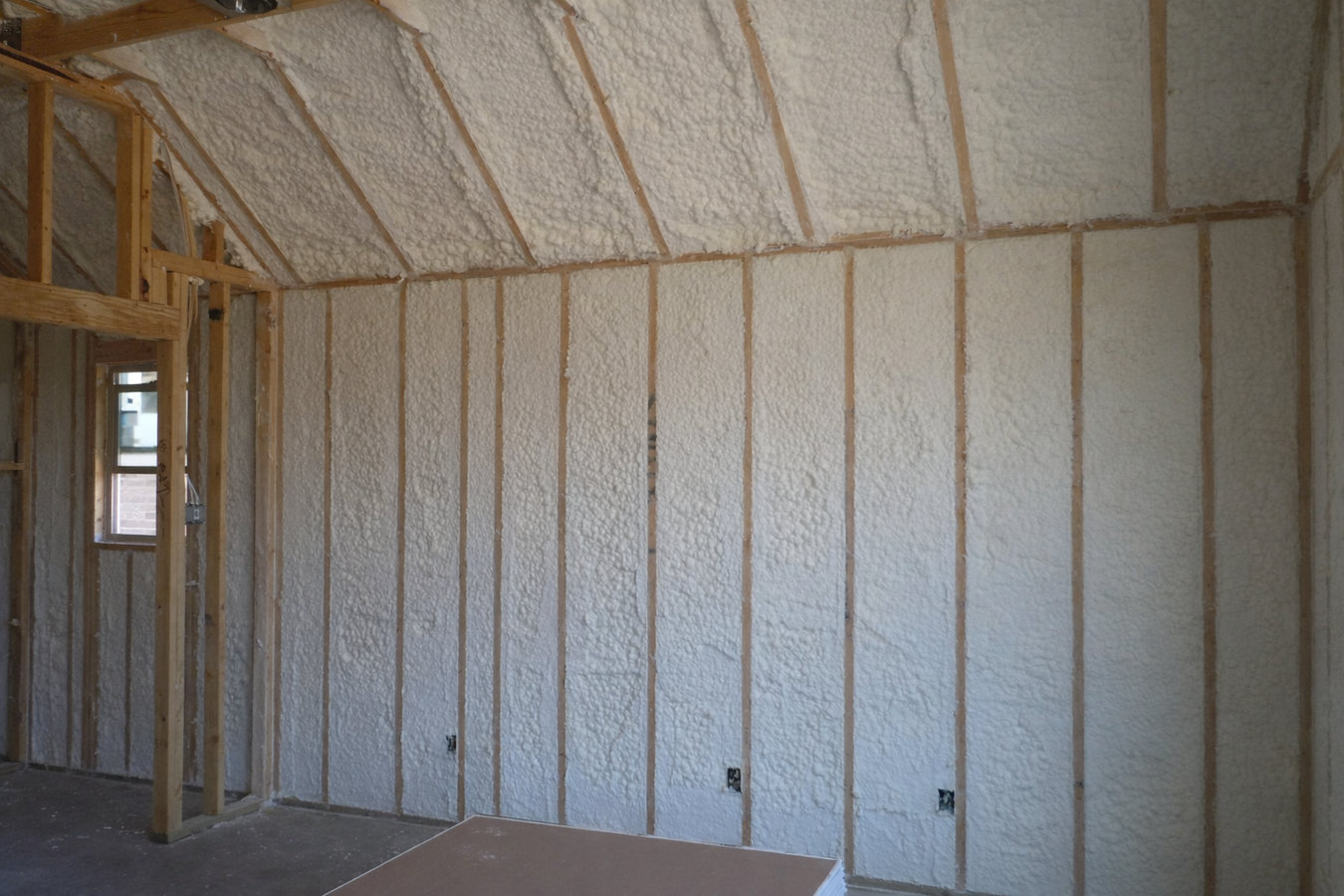
Closed-cell foam seals every gap and insulates in a single application - the highest-performance option for rim joists, crawl spaces, and foundation walls in Dubuque older homes.
Closed-cell foam insulation in Dubuque is a two-part spray material that expands on contact, hardens into a dense rigid layer, and performs two jobs at once - insulating and sealing air gaps - most rim joist and crawl space jobs are completed in a single day and the improvement in comfort is often noticeable within the first cold snap afterward. Standard fiberglass batts slow heat transfer but do nothing to stop air movement through gaps around pipes, wires, and old framing. In a climate like Dubuque, where the heating season runs six months and temperatures regularly drop below zero, those gaps cost real money every year.
Dubuque has one of the highest concentrations of pre-1940 housing in Iowa. Homes that old were never designed to be airtight, and the combination of old framing, irregular surfaces, and decades of settling means gaps are everywhere. Closed-cell foam is particularly effective in these situations because it fills voids and adheres to uneven surfaces that batts cannot conform to. Pairing closed-cell foam work at the rim joist and foundation with open-cell foam insulation in interior wall cavities gives you a complete foam-based strategy for both air sealing and thermal performance throughout the home.
For homeowners also evaluating the full scope of spray foam applications, spray foam insulation covers the broader range of spray-applied options across all areas of the home.
If your heating bill has been creeping up year over year and you have not changed your thermostat habits, your insulation may be failing to do its job. In Dubuque long winters, even small gaps in your home thermal envelope add up to hundreds of dollars in wasted heat. This is especially common in homes built before the 1970s, which make up a large share of Dubuque housing stock.
If you notice drafts near the floor, cold spots along basement walls, or a chill coming up through your first floor, your rim joists or crawl space are likely uninsulated or poorly sealed. Run your hand along the top of your basement wall on a cold day - if it feels like an open window, you have found the problem. These areas are the most common entry points for cold air in older homes, and they are exactly where closed-cell foam makes the biggest difference.
Dubuque spring thaw and seasonal humidity swings can push moisture into uninsulated crawl spaces and basement rim joists, leading to a damp musty smell. If you notice it after a wet spring or during humid summer months, moisture is getting in somewhere it should not. Closed-cell foam seals those entry points and resists moisture absorption, which can stop the cycle before it leads to mold or wood rot.
If you have dealt with a frozen pipe during a past Dubuque cold snap, your crawl space or basement walls are not insulated well enough to protect them. Pipes freeze when the space around them drops below 32 degrees - which happens regularly in Dubuque when temperatures fall into single digits. Properly sealing and insulating those spaces keeps the temperature above freezing and protects your plumbing.
We apply closed-cell foam to the areas of your home where the combination of air sealing and high-density insulation delivers the greatest return - rim joists, crawl space walls, basement walls, and attic rooflines in homes where the attic is conditioned living space. Every job starts with a walkthrough to identify the highest-priority areas and check for any moisture or pest conditions that need to be resolved first. We do not spray foam into a space that has active water intrusion - we tell you what needs to happen first, and we give you that assessment honestly. For homes that also need broader air sealing throughout the envelope, open-cell foam insulation is worth evaluating for interior walls and attic floor applications where closed-cell density is not required.
The most common application we complete in Dubuque is rim joist and crawl space insulation in older homes where those areas have never been addressed. A typical job like this takes four to six hours of actual spray time, and most homeowners can re-enter the same day. We also work on basement wall applications and attic rooflines for more extensive projects. In every case, the crew masks surfaces that should not receive foam, builds to the specified thickness, and walks you through the finished work before they leave. The full spray foam picture - including applications at the attic and wall level - is covered under our spray foam insulation service.
The most impactful single application in most Dubuque homes - seals and insulates the top of the foundation wall in a single pass.
Suited for homes where the crawl space is the main source of cold-air infiltration and moisture entry from the ground.
Applied to foundation walls for homes with older stone, brick, or block construction where other materials cannot conform to the surface.
For homes with conditioned attic space or bonus rooms built into the roofline - insulates and air-seals the sloped ceiling from the inside.
Dubuque sits in Iowa climate zone 6 - one of the coldest categories in the continental U.S. - with average January lows around 10 degrees and a heating season that runs from October through April. Your home insulation is working hard for six or more months every year, and any gap in coverage shows up directly on your gas or electric bill. Closed-cell foam high performance per inch makes it especially well-suited to this climate, where every degree of heat retention matters. Dubuque also has one of the highest concentrations of pre-1940s housing in Iowa, with many homes featuring uninsulated rim joists, open crawl spaces, and older framing with large air channels. Closed-cell foam is particularly effective in these situations because it fills the irregular gaps and voids that batts or blown-in materials cannot reach cleanly.
The city hilly terrain means many homes sit on hillsides with exposed foundations or crawl spaces partially above grade on one side. These conditions expose more of the building envelope to outdoor temperatures and ground moisture than a flat-lot home would face. We see the same cold-climate performance demands in the customers we serve in Janesville and Madison, but Dubuque combination of older housing and hillside construction makes rim joist and crawl space foam applications an especially high-value investment here.
We will ask a few basic questions about your home age, what area you want insulated, and whether you have noticed specific problems like drafts or high bills. Most Dubuque contractors can schedule an on-site visit within a few days of the first call.
We walk through the areas you want insulated - crawl space, rim joists, basement, or attic - take measurements, and check for moisture or pest conditions. You receive a written estimate covering the area being treated and the total cost before any work is agreed to.
For most closed-cell foam projects in Dubuque, we pull a building permit through the City Building Services Division before work begins. This means the work will be inspected - an independent check that protects you. Once the permit is in hand, we schedule your installation day.
The crew arrives with spray equipment, masks off surfaces, and builds up the foam to the specified thickness. A typical rim joist and crawl space job takes four to six hours of spray time. Plan to be out of the home with pets for at least two to four hours. We walk you through the finished work before we leave.
Free estimate, no obligation. We reply within 1 business day and will give you a straight answer about whether closed-cell foam is the right fit for your home.
(563) 227-0181Dubuque has one of Iowa's highest concentrations of pre-1940 housing stock, and we work in these homes regularly. Older framing, stone and brick foundations, and decades of settling create exactly the kind of irregular gaps that closed-cell foam handles best. We know what to expect before we walk in the door.
We pull building permits for all closed-cell foam work that requires them in Dubuque. That means an independent city inspection of the finished work - not just our word that the job was done right. A contractor who suggests skipping the permit is not a contractor you want working in your home.
MidAmerican Energy serves most of Dubuque and has offered rebate programs for qualifying insulation upgrades. We know the current program requirements and can help you document the installation so you can apply. Most homeowners do not take advantage of these programs simply because their contractor did not mention them.
We follow the installation best practices published by the Spray Polyurethane Foam Alliance, which means consistent thickness across every surface, no thin spots, and a full walkthrough at job completion so you can see exactly what was applied and where.
Our work in Dubuque is backed by a transparent process and written documentation. You will know exactly what was installed, where it went, and what it cost - before and after the job.
A lower-density foam suited for interior walls, attic floors, and larger areas where maximum R-value per inch is less critical than coverage.
Learn more →The full picture of spray-applied foam options across all areas of the home - including attics, walls, and specialty applications.
Learn more →Schedule a free estimate for closed-cell foam insulation today. We serve Dubuque and the surrounding area and respond within 1 business day.