
Loading...
Serving Dubuque, IA and surrounding areas. (563) 227-0181
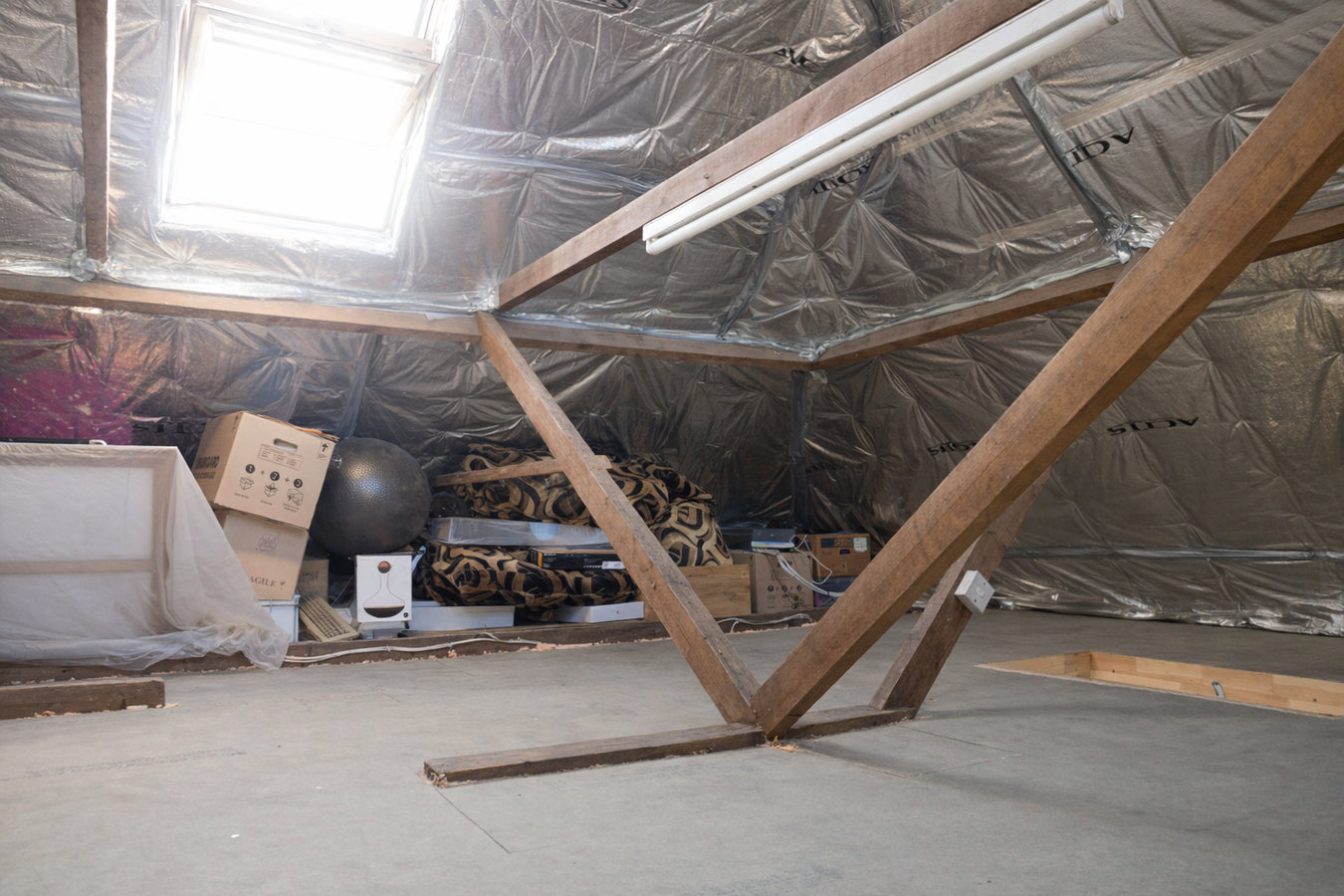
Dubuque Insulation serves Madison homeowners with attic insulation, blown-in insulation, and crawl space solutions - backed by experienced local crews, free in-home assessments, and responses within 1 business day.
We work on Madison homes regularly, including the Craftsman bungalows and Victorian two-stories on the isthmus near Lake Mendota and the mid-century ranch homes on the west side, where original insulation is often thin or missing entirely.
More than half of Madison's housing units were built before 1979, and in the older isthmus neighborhoods the figure is higher still. Most of these homes have attic insulation that has settled well below the depth Wisconsin requires, and many have never had an update since original construction. Attic insulation is consistently the single highest-return upgrade for Madison homeowners, cutting heating bills and eliminating the ice dams that form along rooflines when heat escapes through an under-insulated attic.
The Craftsman bungalows and early 20th-century Foursquares in Madison's Marquette, Tenney-Lapham, and Williamson Street neighborhoods have irregular attic shapes and tight framing cavities that rigid batts cannot fill evenly. Blown-in loose fill reaches every corner and slope of these older attic layouts, bringing the floor up to depth without the gaps that batts reliably leave in unusual framing.
For Madison's older homes on the isthmus - where wind exposure from Lake Mendota and Lake Monona accelerates cold air infiltration - spray foam at the rim joists and crawl space walls provides an air seal and insulation layer that blown-in material alone cannot replicate. It is especially effective in homes where the gap between the foundation and the first floor framing is a primary source of cold air and heating loss.
Madison's clay-heavy soils hold ground moisture after rain and snowmelt, and homes with crawl spaces - particularly in the older isthmus neighborhoods - face ongoing moisture pressure throughout the year. Insulating crawl space walls with closed-cell foam and pairing it with a vapor barrier reduces moisture intrusion into the living space and protects wood framing from the rot that comes with repeated wet-dry cycling.
Full basements are standard in Madison homes, and they are a common source of heat loss that many homeowners overlook when trying to reduce winter bills. Insulating basement walls and rim joists stabilizes the temperatures on the floors above, reduces the moisture that moves through uninsulated concrete walls, and makes the basement itself more usable year-round - a meaningful benefit in a city where basements serve as living, storage, and workspace for most households.
Madison's climate is genuinely hard on homes. Average January temperatures drop into the single digits, the city averages around 42 inches of snow per year, and the frost line can reach 48 inches or more in a cold winter. Repeated freeze-thaw cycles from November through April put constant stress on foundations, concrete, and the aging materials in Madison's older housing stock. The city's geography adds another layer - built on a narrow isthmus between Lake Mendota and Lake Monona, the area receives more wind exposure than many comparably sized Wisconsin cities, which accelerates cold air infiltration through gaps in the building envelope. For homes on the isthmus, wind and moisture together create insulation challenges that go beyond simply adding more material to an attic.
Census data indicates that roughly half of Madison's housing was built before 1979. In the older isthmus neighborhoods - Marquette, Tenney-Lapham, and the blocks nearest the Wisconsin State Capitol - many homes date to the early 1900s and were built before modern insulation standards existed. These homes have wood-frame construction with original plaster walls, and wall cavities that were often never insulated. Madison's high-rental density near the University of Wisconsin campus has also contributed to widespread deferred maintenance in a portion of the housing stock - insulation that should have been updated a decade ago has often been left in place through multiple ownership or tenancy changes. Owner-occupied homes in Madison's established neighborhoods represent people who invest in their properties for the long term and want the work done right the first time.
We work in Madison's older neighborhoods regularly and understand what to expect when we open the attic hatch of a 1920s Craftsman bungalow near Williamson Street or a Victorian two-story a few blocks from the Wisconsin State Capitol. These homes often have original materials, uneven framing, and moisture histories that require a different approach than a postwar ranch on the west side. Permit requirements for insulation work in Madison run through the City of Madison Building Inspection division, and we handle that process on your behalf when a permit is required.
Madison's isthmus geography means that homes nearest to Lake Mendota and Lake Monona face conditions that inland Madison homes do not - higher wind exposure, more ambient moisture, and soils that drain slowly after the spring snowmelt. When we assess crawl spaces and basements in these areas, we evaluate moisture first, because adding insulation over a wet space makes the problem worse rather than better. The west side ranch homes built in the 1950s and 1960s along the beltline present a different set of issues: low-pitch rooflines, crawl spaces or slab foundations, and original blown-in material that has long since settled below useful depth.
We serve Madison alongside several nearby communities, including Waukesha, WI to the east and Janesville, WI to the south. If you are anywhere in south-central Wisconsin and need an insulation contractor who knows older construction, reach out and we will schedule a free assessment.
We respond within 1 business day. No cost and no obligation at this stage. We will ask a few questions about your home - age, which areas concern you, symptoms you have noticed - so we arrive at the assessment prepared for what we are likely to find.
We visit your home and inspect the attic, crawl space, or basement - wherever the issue is. We measure what is already there, check for moisture, and evaluate ventilation. The visit takes 30 to 60 minutes. We tell you exactly what we find and explain the full cost before scheduling anything. If we find wet or damaged material that needs to come out first, we will tell you that upfront - not after the job has started.
You receive a written estimate covering all materials, labor, and any permit fees. If Madison's Building Inspection division requires a permit for your project - which it does for spray foam and certain larger jobs - we handle the application and coordinate the inspection. You do not navigate that yourself.
Most Madison insulation jobs are done in one day. Before we leave, we walk you through what was installed and how to interpret what you are now seeing in the attic. If spray foam was part of the job, plan to stay out of the home for at least 24 hours while it cures - we give you a specific return time before we start.
We respond within 1 business day to all inquiries from Madison homeowners. Free on-site assessment, written quote, no pressure - whether your home is on the isthmus or the far west side.
(563) 227-0181Madison is Wisconsin's capital city and second-largest city, with a population of around 270,000 people. It is home to the University of Wisconsin-Madison, one of the largest universities in the country, which shapes the city's character, its housing market, and its demographics in ways that are immediately visible in every neighborhood. The city is built on a narrow isthmus between Lake Mendota to the north and Lake Monona to the south - a geography that makes Madison visually distinctive and gives every neighborhood a different relationship to water, wind, and weather. The isthmus neighborhoods include some of the city's oldest homes: Victorian and Craftsman-era houses in Marquette and Tenney-Lapham, dense blocks of early 20th-century two-stories near the Capitol Square, and smaller bungalows along Williamson Street that have housed generations of Madison families. Many of these homes have never had meaningful insulation work done since they were originally built.
The west side of Madison tells a different story. Mid-century ranch homes built during the postwar growth decades are common from the beltline outward, with lower-pitch rooflines, attached garages, and foundations that range from full basements to slab construction. Newer subdivisions on the far west and north edges of the city have homes from the 1990s and 2000s that are approaching the age where their original insulation and mechanical systems need attention for the first time. We work in all of these neighborhoods and know the insulation profile of each. We serve Madison alongside nearby communities including Waukesha, WI and Oshkosh, WI to the north, where the same Wisconsin climate and older housing stock create the same insulation challenges.
High-performance spray foam that seals and insulates in one application.
Learn more →Loose-fill insulation blown into walls, attics, and hard-to-reach spaces.
Learn more →Keep moisture out and temperatures stable with crawl space insulation.
Learn more →Improve comfort and soundproofing with insulated interior and exterior walls.
Learn more →Stop drafts and air leaks to maximize your insulation's effectiveness.
Learn more →Insulate basement walls and rim joists to cut heating costs year-round.
Learn more →Dense, moisture-resistant closed-cell foam for maximum thermal performance.
Learn more →Lightweight open-cell foam ideal for interior walls and sound dampening.
Learn more →Seal attic bypasses and gaps before adding insulation for best results.
Learn more →Heavy-duty vapor barriers that protect crawl spaces from ground moisture.
Learn more →Professional vapor barrier installation for walls, floors, and crawl spaces.
Learn more →Commercial-grade insulation for offices, warehouses, and industrial facilities.
Learn more →Serving these cities and communities.
Call or submit a request today - we respond within 1 business day and schedule free on-site assessments at a time that works for you.