Loading...
Serving Dubuque, IA and surrounding areas. (563) 227-0181
Old, damaged, or contaminated insulation holds your home back. We remove it safely and completely so your new insulation can actually do its job.
Insulation removal in Dubuque clears out old, failing, or contaminated material so your home starts fresh - most attic jobs are completed in one full day. Adding new insulation on top of damaged material just traps the problem underneath. If your home has moisture damage, rodent activity, or insulation that has never been replaced in decades, removal is the right first step.
Dubuque homes - especially those in the North End, West End, and older bluff districts - often have insulation that has been through fifty or more Iowa winters. Once material gets compressed, wet, or contaminated, it stops holding heat. Removing it also gives you a clear view of any air gaps or moisture problems that need addressing before crawl space insulation or new attic material goes in.
After removal, you can also consider retrofit insulation as the right upgrade path for your home.
If your gas or electric bill has gone up noticeably over the past two or three winters without any change in habits, failing insulation is one of the most common causes. Dubuque winters are long and cold, and compressed or wet insulation simply cannot hold heat the way it once did. This is one of the clearest signals that a professional should take a look at what is in your attic.
If you peek into your attic and notice dark staining on the wood, clumps of material that look wet or discolored, or evidence of nesting - droppings, chewed insulation - that is a sign the material needs to come out entirely, not just be added to. In Dubuque's older homes, this kind of damage is common and often goes unnoticed for years.
When insulation fails in specific areas - the edges of an attic, above a garage, or corners of the house - those spots become cold pockets in winter. If one bedroom is always colder than the rest of the house no matter how high the thermostat goes, the insulation above or around it may be the reason. This is especially common in older Dubuque two-story homes.
Mice and squirrels that get into your attic nest in insulation, chew through it, and leave behind waste that can affect indoor air quality. If you have had a pest problem in recent years, there is a good chance the insulation they lived in needs to come out entirely. Leaving contaminated material in place is not just an odor issue - it can be a health concern.
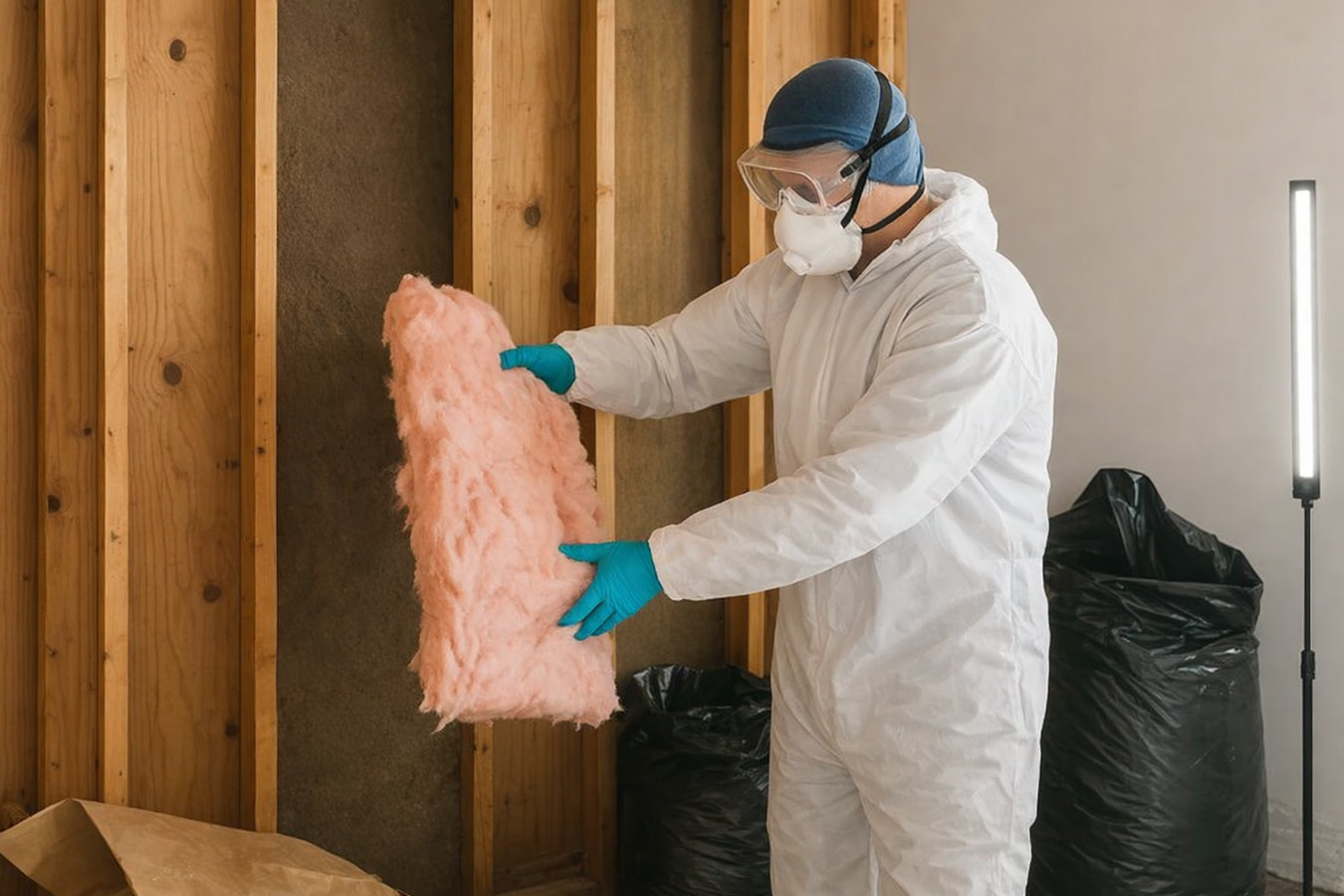
We handle the full removal process from start to finish - no partial jobs. For attic work, the crew sets up a commercial vacuum system that runs from outside through your access hatch, pulling material out section by section into sealed disposal bags. Older material from homes built before the mid-1980s is assessed for hazardous content before work begins, and our crew follows proper handling and disposal procedures throughout. We also address crawl space insulation removal, which takes longer due to tight access points common in Dubuque's hillside homes.
Once removal is complete, we walk you through the cleared space and flag anything worth addressing before new material goes in - air gaps, moisture stains, or pest entry points. That handoff is important whether you pair removal with retrofit insulation right away or wait on the reinstallation. You should not leave the space open through a Dubuque winter, so scheduling the next step promptly matters.
Best for homes where attic material is damaged, moldy, or pest-contaminated.
Suited for tight, irregular crawl spaces common in Dubuque hillside properties.
Required when rodents, mold, or suspect older materials are present.
A walkthrough to flag air gaps, moisture, or pest entry before new insulation goes in.
Dubuque's brutal winters - with temperatures regularly dropping below zero from November through March - make failing insulation expensive fast. When material is compressed, wet, or contaminated, you feel it directly in your heating bill every January. A significant share of Dubuque's residential neighborhoods, including the North End and the historic bluff districts, are made up of homes built before 1960. In homes that old, original insulation materials have long since broken down, and some may require testing before removal can begin.
Iowa's freeze-thaw cycle also drives moisture into attics and crawl spaces over time, saturating material and creating conditions where mold can grow quietly for years. Homeowners in Cedar Rapids and Waterloo face similar challenges, but Dubuque's hilly terrain and older crawl space construction add an extra layer of complexity. A good contractor in this area will assess moisture before quoting removal and factor in access difficulty for homes on sloped lots.
We will ask about your home's age, the space needing work, and whether you have noticed moisture or pest issues. We respond within 1 business day and can usually schedule a free on-site estimate within a few days.
We inspect the space directly - not just from the hatch. We check for moisture, pest activity, and the condition of existing material. If your home was built before 1985, we may recommend sample testing before quoting. You get a written estimate that lists removal, disposal, and cleanup separately.
The crew sets up the vacuum system through your access point and works section by section. You can go about your day in the rest of the house - the noise is there but the work stays contained. Most standard attic jobs finish in four to eight hours.
When removal is done, we clean up any debris at the access point and walk you through the cleared space. We flag anything worth addressing - air gaps, moisture stains, pest entry points - before new insulation goes in. You leave knowing exactly what was removed and what comes next.
We respond within 1 business day. There is no obligation to move forward after the estimate. After you submit this form, someone from our office will call to schedule a free on-site assessment at a time that works for you.
(563) 227-0181Dubuque has a high proportion of homes built before 1980, and some contain materials that require testing before removal. We do not skip this step - if your home warrants it, we recommend testing before we quote, so there are no surprises on the day of work.
Vague quotes are how unexpected charges show up on the final bill. We break out every line item in writing before work begins - removal, haul-away, and cleanup are listed separately so you know exactly what you are paying for.
When we finish, we walk you through the cleared attic or crawl space so you can see the condition for yourself. You should be able to see that it is genuinely clean, not just close enough. A space left with debris behind is not a finished job.
We work in Dubuque's hillside neighborhoods regularly and understand what the access points, crawl space shapes, and older construction styles look like here. That experience means fewer surprises on removal day and more accurate estimates upfront. We give you a written scope before any material comes out, so you know exactly what the job covers.
Insulation removal is not glamorous work, but it is the foundation for everything that comes after. Getting it done right - with proper assessment, clean removal, and honest documentation - protects your investment in whatever new material goes in next.
The U.S. Department of Energy insulation guide covers when removal is necessary versus topping off existing material.
After crawl space removal, we install new insulation that fits correctly and handles Dubuque's moisture conditions.
Learn more →Once old material is out, retrofit insulation brings your home up to current standards without a full renovation.
Learn more →Old insulation only gets worse through another Dubuque heating season - call now for a free estimate and a clear picture of what you are working with.