
Loading...
Serving Dubuque, IA and surrounding areas. (563) 227-0181
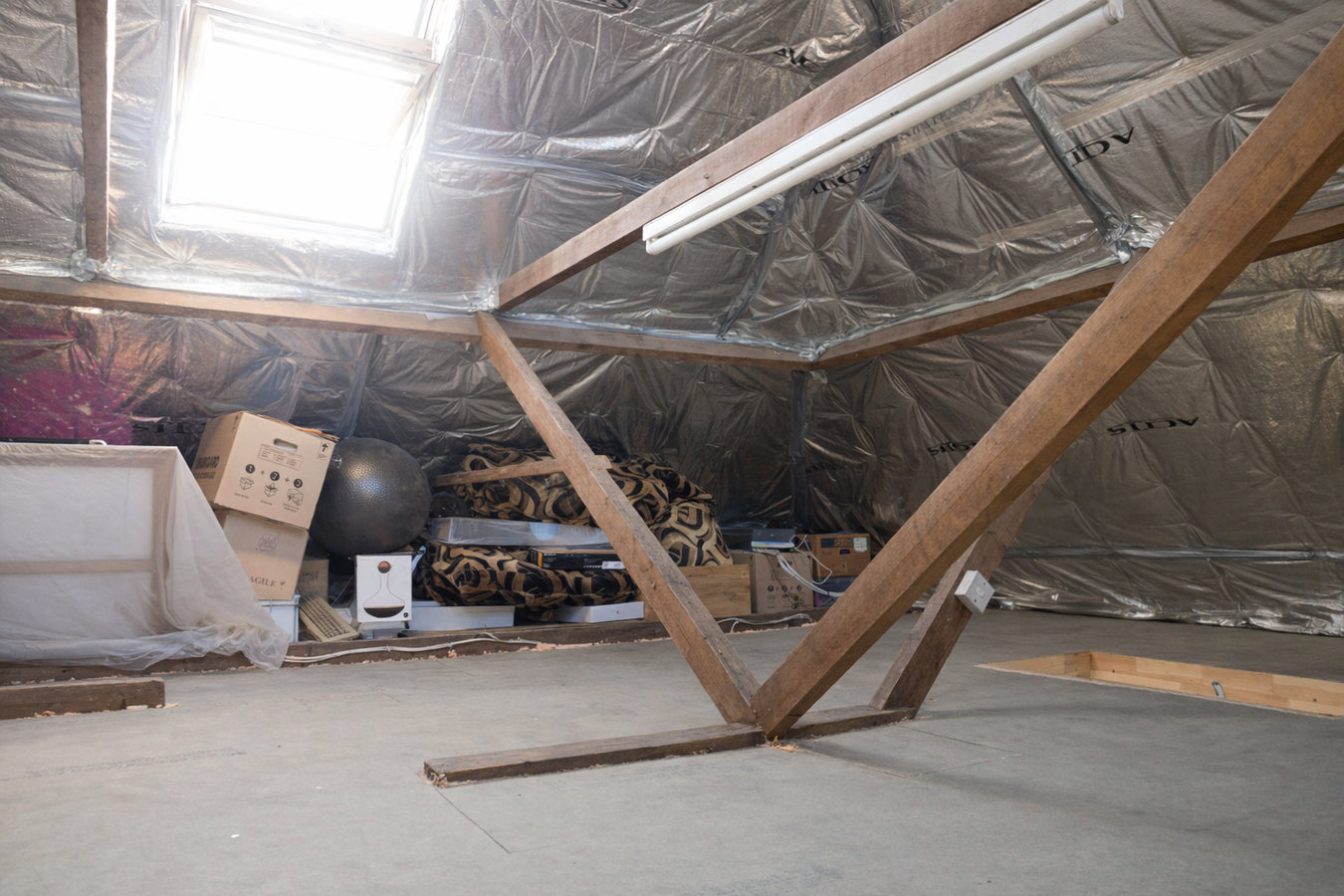
Dubuque Insulation serves Iowa City homeowners with attic insulation, blown-in insulation, and crawl space solutions - all backed by experienced local crews, free in-home assessments, and responses within 1 business day.
We work on Iowa City homes regularly, including the craftsman bungalows in Goosetown and Longfellow and the Foursquare homes near the Ped Mall where original insulation is thin or missing entirely.
Iowa City homes built before 1980 - the majority of the city's housing stock - often have attic insulation that has settled, compressed, or never reached the depth recommended for Iowa winters. Attic insulation is consistently the highest-return upgrade in these homes, reducing heating bills and stopping the ice dams that form along rooflines after heavy snowfall.
The craftsman bungalows and American Foursquares common in Iowa City's Northside and Longfellow neighborhoods have irregular attic shapes and tight cavities that rigid batts cannot cover evenly. Blown-in loose fill fills every corner and slope, bringing the attic floor up to the depth Iowa's climate zone requires without the gaps that batts leave behind.
Homes near the Iowa River corridor in Iowa City face elevated ground moisture, especially in spring when snowmelt and rain raise the water table. Insulating crawl space walls and the subfloor above reduces moisture intrusion into the living space and protects wood framing from the long-term effects of repeated wet-dry cycles.
For Iowa City's older two-story homes with balloon-frame construction, spray foam at the rim joists and in wall cavities provides a combined air seal and insulation layer that blown-in material alone cannot match. It is especially effective in homes where cold air infiltration around the foundation is contributing to high heating bills.
Full basements are standard in Iowa City homes, and they are a common source of both heat loss and moisture problems in the city's older housing stock. Insulating basement walls and rim joists reduces the cold that rises from below, stabilizes temperatures on the floors above, and helps protect against the moisture that clay-heavy Johnson County soil holds after rain.
Iowa City sits in the heart of Iowa's cold climate zone. Average January temperatures drop below 20 degrees Fahrenheit, and the frost line reaches 40 inches or more in a hard winter. Repeated freeze-thaw cycles from November through March put constant stress on foundations, concrete, and the older materials that make up most of the city's housing stock. More than half of Iowa City's homes were built before 1980, and a significant portion date to the 1940s through 1960s - built before modern insulation standards existed. Many of these homes have never had their attic insulation updated, and wall cavities in the older neighborhoods are often empty or minimally filled.
Iowa City's relationship with the University of Iowa shapes its housing market in ways that matter for insulation work. High renter turnover in properties near campus means deferred maintenance is common - insulation that should have been updated a decade ago has often been left in place. Meanwhile, owner-occupied homes in Northside, Goosetown, and Longfellow are held by people who invest in their properties for the long term and want work done right. The clay-heavy soil across Johnson County holds moisture rather than draining it, which means crawl spaces and basements in both old and newer homes can develop moisture problems that interact with insulation. A contractor who understands how these conditions combine - old construction, high moisture risk, and Iowa's cold climate - gives Iowa City homeowners a meaningfully different result than one who has only worked in newer housing.
We work in the older neighborhoods of Iowa City regularly and know what to expect when we open the attic hatch of a 1940s craftsman bungalow in Goosetown or a Foursquare near the Iowa City Pedestrian Mall. These homes often have original materials, irregular framing, and moisture histories that require a different approach than newer construction. Permit requirements in Iowa City run through the city's Building Inspection division, and we handle that process on your behalf when a permit is required.
Iowa City is bisected by the Iowa River, and homes in the lower-lying areas near City Park and the river corridor face more ground moisture than properties on higher ground. That moisture consideration shapes how we approach crawl space and basement insulation in this part of town - we always assess for existing moisture before recommending materials, because adding insulation over a wet space makes the problem worse, not better.
We serve Iowa City and the surrounding Johnson County area, including Dubuque, IA and Waterloo, IA. If you are anywhere in eastern Iowa and need an insulation contractor who knows older construction, reach out and we will schedule an assessment.
We respond within 1 business day. There is no cost and no obligation at this stage. We will ask a few questions about your home - age, which areas concern you, whether you have noticed specific problems - so we arrive at the assessment prepared.
We visit your home and inspect the attic, crawl space, or basement - wherever the concern is. We measure what is already there and check for moisture damage. This takes 30 to 60 minutes. We tell you exactly what we find and explain the full cost before any work is scheduled. No pressure.
You receive a written estimate with materials, labor, and any permit fees included. If Iowa City's Building Inspection division requires a permit for your project, we handle the application and coordinate the city inspection. You do not need to navigate the permit process yourself.
Most Iowa City insulation jobs are finished in one day. Before we leave, we walk you through what was done. If the job included spray foam, plan to be out of the home for at least 24 hours while it cures - we will give you a specific return window.
We respond within 1 business day to all inquiries from Iowa City homeowners. No pressure, no obligation - just a free on-site assessment and a written quote you can review at your own pace.
(563) 227-0181Iowa City is a mid-sized city of roughly 74,000 people in eastern Iowa, best known as home to the University of Iowa and its affiliated hospital system. The university and UI Health Care are the city's dominant employers, giving Iowa City a stable base of professional homeowners who invest in their properties for the long term. The city's older neighborhoods - Northside, Goosetown, and Longfellow - are filled with craftsman bungalows, American Foursquares, and early 20th-century two-story homes built primarily between the 1910s and 1940s. Newer subdivisions like Windsor Ridge and Saddlebrook on the city's southern and western edges have homes built from the 1990s onward. Both housing types have distinct insulation needs, and we work in both regularly.
The Iowa River runs through the heart of Iowa City, dividing older in-town neighborhoods from newer growth on the west side. The river corridor is a landmark for nearly every resident - whether they cross it on the way to campus or know it as the source of the 2008 flood that damaged hundreds of homes. Homes near the river face above-average moisture exposure, which shapes how insulation and vapor barrier work needs to be approached in those areas. We serve Iowa City alongside nearby communities including Cedar Rapids, IA to the north and Dubuque, IA to the northeast, where the same cold-climate insulation challenges apply.
High-performance spray foam that seals and insulates in one application.
Learn more →Loose-fill insulation blown into walls, attics, and hard-to-reach spaces.
Learn more →Keep moisture out and temperatures stable with crawl space insulation.
Learn more →Improve comfort and soundproofing with insulated interior and exterior walls.
Learn more →Stop drafts and air leaks to maximize your insulation's effectiveness.
Learn more →Insulate basement walls and rim joists to cut heating costs year-round.
Learn more →Dense, moisture-resistant closed-cell foam for maximum thermal performance.
Learn more →Lightweight open-cell foam ideal for interior walls and sound dampening.
Learn more →Seal attic bypasses and gaps before adding insulation for best results.
Learn more →Heavy-duty vapor barriers that protect crawl spaces from ground moisture.
Learn more →Professional vapor barrier installation for walls, floors, and crawl spaces.
Learn more →Commercial-grade insulation for offices, warehouses, and industrial facilities.
Learn more →Serving these cities and communities.
Call or submit a request today - we respond within 1 business day and schedule free on-site assessments at a time that works for you.