Loading...
Serving Dubuque, IA and surrounding areas. (563) 227-0181
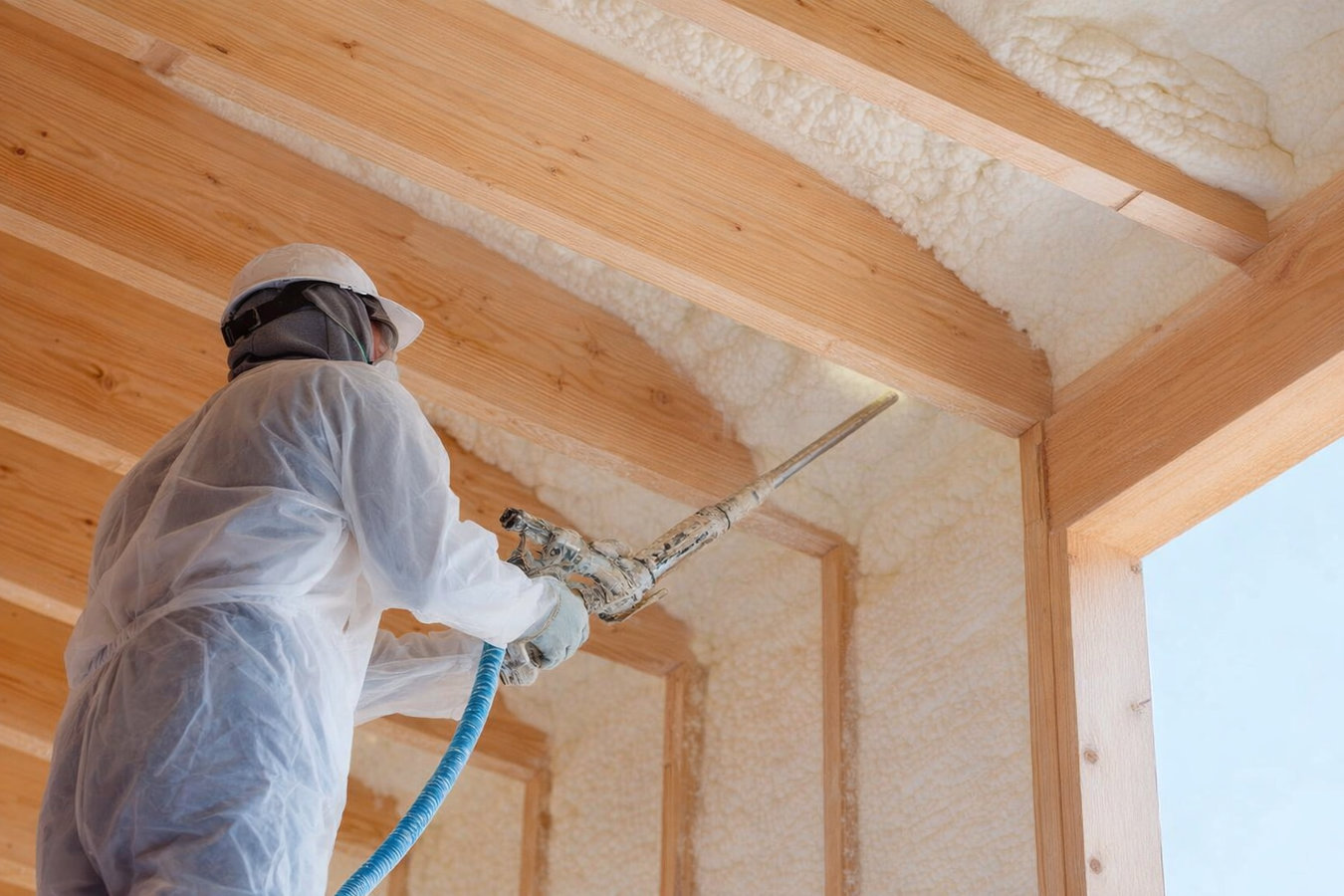
Dubuque Insulation serves Cedar Rapids, IA homeowners with spray foam insulation, attic insulation, and crawl space solutions - backed by experienced local crews, free estimates, and replies within 1 business day.
Cedar Rapids has a large share of homes built before 1960, and we work on them regularly - from older brick homes near Czech Village to the ranch-style properties on the southwest side.
Cedar Rapids homes near the Cedar River face elevated moisture risk from spring flooding and high summer humidity. Our spray foam insulation seals and insulates crawl spaces, rim joists, and basement walls in one application - combining a moisture barrier with a thermal barrier in the areas where Cedar Rapids homes need it most.
Older homes in Cedar Rapids - particularly in the established neighborhoods near Bever Park and Kenwood Park - were built under energy standards far below what is recommended today. Adding the right depth of blown-in or batt insulation to the attic is the highest-impact upgrade most Cedar Rapids homeowners can make before the next Iowa winter.
Cedar Rapids homes with crawl spaces sit in a region where the frost line reaches about 48 inches deep. Uninsulated crawl spaces allow ground cold and moisture to travel directly up into living spaces. Insulating the crawl space walls and the floor above it keeps the space drier, warmer, and protects the structural wood from the moisture problems that are common in flood-zone neighborhoods.
For Cedar Rapids ranch homes and split-levels from the 1950s and 1960s, blown-in loose fill is a fast and cost-effective way to bring attic insulation up to the depth needed for Iowa's Climate Zone 5A. The machine and hose setup means the crew can fill an entire attic in a few hours without opening up the ceilings or walls.
Most Cedar Rapids homes have full basements, and those basements are a common source of both heat loss and moisture intrusion - especially in neighborhoods that experienced flooding in 2008. Insulating basement walls and the rim joist area reduces energy costs and helps stabilize the moisture conditions that make basements prone to mold and condensation.
Cedar Rapids sits in Iowa's Climate Zone 5A, where average winter temperatures regularly drop below zero and the frost line reaches about 48 inches deep. That means the ground freezes hard every winter - and the freeze-thaw cycles that follow through late fall and early spring put real stress on foundations, concrete, and any insulation that has absorbed moisture over the years. Homes in Cedar Rapids average about 32 inches of snow annually, and summer humidity levels are consistently high enough that attics, crawl spaces, and basements in under-insulated homes develop moisture problems every year.
The city's housing mix adds another layer of complexity. The 2008 Cedar River flood damaged or destroyed thousands of homes, and portions of the city were rebuilt from scratch. This means you can find brand-new construction sitting next to a brick home built in 1935 on the same street. Both need insulation work, but for very different reasons. Post-flood rebuilt homes may have modern framing but inadequate insulation in the crawl space. Pre-flood older homes near Czech Village or Kenwood Park often have never been updated. And the derecho that hit in August 2020 created new damage to insulation and vapor barriers across the city that may not have been fully repaired. Knowing which category your home falls into is the first step - and that requires an in-person assessment, not a phone estimate.
We work in Cedar Rapids homes regularly and know the city's four-quadrant layout - the older neighborhoods in the southeast quadrant near Bever Park and Kenwood Park tend to have brick-exterior homes that need careful work around the original construction, while the northwest and southwest sides have more postwar ranch and split-level homes that often just need an attic top-up and rim joist spray foam. The Czech Village and NewBo district area has some of the oldest residential stock in the city, and homes there frequently need insulation work that accounts for the original wood framing and older foundation styles.
For permit requirements, Cedar Rapids insulation projects that affect the building envelope go through City of Cedar Rapids Building Services. We handle the permit process on your behalf for projects that require one - you should not have to navigate that on your own. Alliant Energy and MidAmerican Energy both serve Cedar Rapids addresses, and both offer rebates for qualifying insulation improvements. We can help you confirm whether your project is eligible and handle the paperwork.
We serve Cedar Rapids and also work in Iowa City, IA and other nearby Iowa communities. If you are anywhere in the Corridor - the stretch between Cedar Rapids and Iowa City along I-380 - we can schedule a site visit.
We respond within 1 business day. No cost, no pressure. We will ask a few basic questions - your address, the age of your home, and what is prompting the call - so we can come prepared to the site visit.
We inspect the areas of concern - attic, crawl space, basement, rim joists - and measure what is already there. We check for moisture damage or old material that needs to come out first. The visit typically takes 30 to 60 minutes. You will know the cost and what is involved before anything is scheduled.
You get a written estimate with materials, labor, and permit fees included. For jobs requiring a Cedar Rapids building permit, we handle the application and coordinate the city inspection so you do not have to deal with the process yourself.
Most Cedar Rapids jobs are finished in one day. For attic blown-in work, you can stay in your home the whole time. For spray foam jobs, plan to be out for at least 24 hours while the foam cures - we give you a specific return time before the crew starts.
We serve Cedar Rapids homeowners with no-pressure, free on-site assessments. Fill out the form or call us and we will respond within 1 business day to schedule at a time that works for you.
(563) 227-0181Cedar Rapids is Iowa's second-largest city, with about 137,000 residents spread across roughly 72 square miles along the Cedar River. The city is divided into four quadrants by the river and a main north-south road, and each part of town has its own distinct mix of home ages and styles. Older, established neighborhoods like Kenwood Park and Bever Park sit in the southeast, with brick and wood-frame homes dating to the early 1900s. The northwest and southwest quadrants saw most of the postwar residential growth - ranch-style homes and split-levels from the 1950s through the 1980s are common in those areas. The Brucemore mansion, a 26-room Queen Anne estate listed on the National Register of Historic Places, is one of the most recognizable landmarks in the city and reflects the kind of late-19th-century architecture still found throughout the older neighborhoods.
About 62 percent of Cedar Rapids housing units are owner-occupied, and the city's major employers - Collins Aerospace, the Quaker Oats facility, and the University of Iowa Hospitals nearby in Iowa City - keep a stable, long-term workforce here. Many residents own their homes and plan to stay, which means investing in insulation and energy efficiency makes long-term financial sense. We serve Cedar Rapids and also work in nearby Waterloo, IA and throughout the broader Iowa service area.
High-performance spray foam that seals and insulates in one application.
Learn more →Loose-fill insulation blown into walls, attics, and hard-to-reach spaces.
Learn more →Keep moisture out and temperatures stable with crawl space insulation.
Learn more →Improve comfort and soundproofing with insulated interior and exterior walls.
Learn more →Stop drafts and air leaks to maximize your insulation's effectiveness.
Learn more →Insulate basement walls and rim joists to cut heating costs year-round.
Learn more →Dense, moisture-resistant closed-cell foam for maximum thermal performance.
Learn more →Lightweight open-cell foam ideal for interior walls and sound dampening.
Learn more →Seal attic bypasses and gaps before adding insulation for best results.
Learn more →Heavy-duty vapor barriers that protect crawl spaces from ground moisture.
Learn more →Professional vapor barrier installation for walls, floors, and crawl spaces.
Learn more →Commercial-grade insulation for offices, warehouses, and industrial facilities.
Learn more →Serving these cities and communities.
Free estimates, responses within 1 business day, and written quotes that cover everything before work begins. Call us or submit a request today.